
Trump Iran Framework Criticism Grows as He Pushes Bigger Middle East Peace Vision
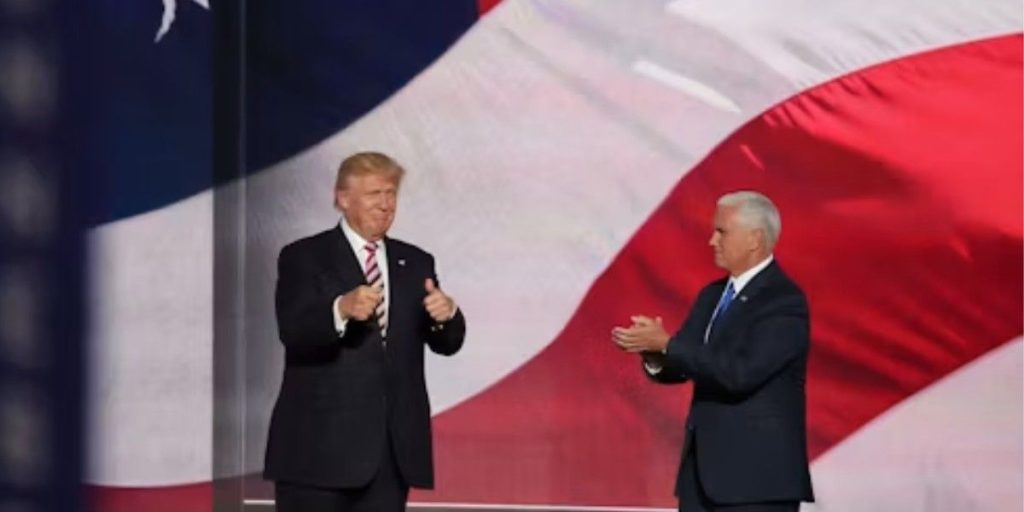
Fresh diplomatic efforts by Donald Trump in the Middle East are drawing both international attention and sharp criticism as negotiations involving Iran continue evolving. The growing debate surrounding the Trump Iran framework criticism issue centers on whether the proposed diplomatic strategy could bring long-term regional stability or weaken pressure on Tehran.
Reports suggest Trump is attempting to expand his Middle East agenda beyond ceasefire discussions by pursuing broader normalization efforts involving Israel and key Arab nations.
However, critics — including several Republican hardliners and foreign policy analysts — argue the proposed framework may offer too many concessions to Iran.
What Is the Iran Framework Proposal?
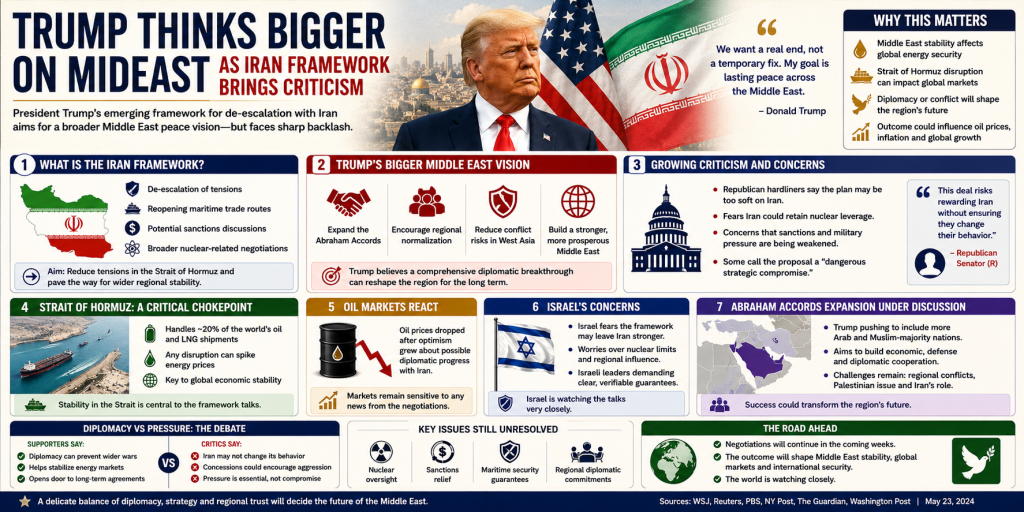
The latest Trump Iran framework criticism debate emerged after reports indicated that negotiations may involve:
- De-escalation measures
- Reopening maritime trade routes
- Potential sanctions discussions
- Broader nuclear-related negotiations
The diplomatic push reportedly aims to reduce tensions linked to the Strait of Hormuz and wider Middle East instability.
Trump Seeking Bigger Regional Goals
According to recent reports, Donald Trump is reportedly trying to frame the negotiations as part of a larger Middle East transformation strategy.
The broader vision linked to the Trump Iran framework criticism discussions may include:
- Expanding the Abraham Accords
- Encouraging regional diplomatic normalization
- Reducing conflict risks across West Asia
Trump reportedly believes broader regional cooperation could strengthen long-term stability.
Republican Hardliners Raise Concerns
One of the biggest aspects of the Trump Iran framework criticism debate is opposition from conservative Republican figures.
Several lawmakers and former officials reportedly fear:
- Iran may retain nuclear leverage
- The deal could appear too soft on Tehran
- Previous military and diplomatic pressure may weaken
Some critics described the emerging proposal as a potentially dangerous strategic compromise.
Strait of Hormuz Remains Central Issue
A major focus of the Trump Iran framework criticism discussions is the Strait of Hormuz, one of the world’s most important oil shipping routes.
The waterway handles a major share of global oil transportation, making stability in the region extremely important for:
- Global fuel markets
- Energy prices
- International shipping
Any disruption in the Strait can trigger major economic consequences worldwide.
Oil Markets React to Negotiation Hopes
The latest developments surrounding the Trump Iran framework criticism story also impacted global oil markets.
Reports suggest oil prices declined after optimism grew regarding possible diplomatic progress with Iran.
Energy analysts say markets remain highly sensitive to:
- Middle East tensions
- Shipping disruptions
- Sanctions-related developments
Israel Watching Negotiations Closely
The evolving Trump Iran framework criticism debate has also triggered concern in Israel.
Some Israeli analysts and political figures reportedly fear the framework may:
- Leave Iran strategically stronger
- Fail to fully limit nuclear ambitions
- Create long-term security concerns
Israeli media discussions have reflected growing uncertainty over the negotiations.
Abraham Accords Expansion Under Discussion
Another major element connected to the Trump Iran framework criticism issue is the reported effort to expand the Abraham Accords.
Trump is reportedly encouraging broader regional diplomatic participation involving several Middle Eastern nations.
However, analysts note that regional conflicts and unresolved Palestinian issues remain major obstacles to wider normalization efforts.
Diplomacy vs Military Pressure Debate
The latest Trump Iran framework criticism story reflects a larger foreign policy debate between diplomatic engagement and military pressure.
Supporters argue negotiations could:
- Prevent broader conflict
- Reduce oil market instability
- Open pathways for future agreements
Critics believe stronger pressure is necessary to contain Iran’s regional influence.
Global Markets Closely Monitoring Developments
Financial and energy markets are closely following the Trump Iran framework criticism developments because any escalation or breakthrough could significantly affect:
- Oil prices
- Inflation
- Global trade routes
- Investor sentiment
Analysts say Middle East stability remains a key global economic factor.
Future of the Negotiations Remains Uncertain
Despite ongoing talks, experts say the outcome of the Trump Iran framework criticism negotiations remains uncertain.
Major unresolved issues reportedly include:
- Nuclear oversight mechanisms
- Sanctions relief
- Maritime security guarantees
- Regional diplomatic commitments
Further negotiations are expected in the coming weeks.
Conclusion
The growing Trump Iran framework criticism debate highlights the complexity of modern Middle East diplomacy as Donald Trump attempts to pursue broader regional peace initiatives alongside negotiations involving Iran. While supporters view diplomacy as a pathway toward de-escalation and regional stability, critics fear the proposed framework may strengthen Iran strategically and weaken long-term deterrence.
As negotiations continue, global markets, regional governments, and political observers are expected to monitor developments closely because of their potential impact on energy security, geopolitics, and international stability.
Image Source: Unsplash
Also read: Adani Green Energy Battery Storage System Becomes India’s Largest, Can Power 10 Lakh Homes
Add The News Pixel as a preferred source on Google- Click Here