
Big Infrastructure Boost: Hyderabad Metro Phase 2 Cost-Sharing Plan Gets Strong Centre Support
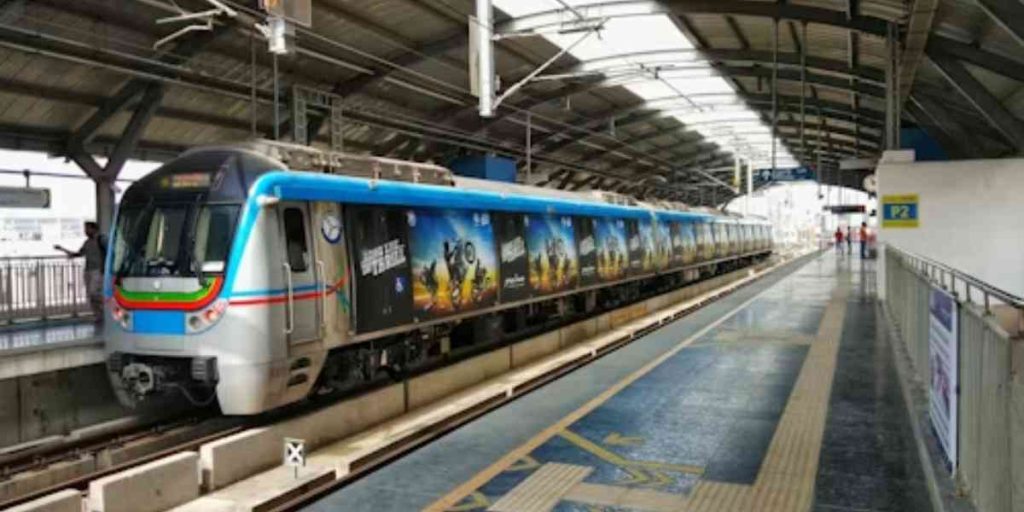
The ambitious expansion of the Hyderabad Metro Rail has received a major push after the central government reportedly backed the proposed Hyderabad Metro Phase 2 cost-sharing plan based on a 50:50 funding model.
The development is being viewed as a significant milestone for urban transportation infrastructure in Hyderabad, where rapid population growth and increasing traffic congestion have intensified the demand for better public transit systems.
Officials believe the new metro expansion could improve urban mobility, reduce traffic pressure, and support the city’s long-term economic growth.
What Is Hyderabad Metro Phase 2?
The proposed expansion under the Hyderabad Metro Phase 2 cost-sharing plan aims to extend metro connectivity across several growing residential and commercial corridors in the city.
The expansion is expected to include:
- New metro routes
- Additional stations
- Improved airport connectivity
- Better suburban integration
The project is designed to strengthen Hyderabad’s urban transportation network and accommodate future commuter demand.
Centre Supports 50:50 Funding Model
A major highlight of the Hyderabad Metro Phase 2 cost-sharing plan is the proposed equal funding partnership between the state and central governments.
Under the reported model:
- 50% of project costs may be shared by the Centre
- Remaining costs could be managed by the state government and related financing mechanisms
This support could significantly improve project viability and accelerate implementation timelines.
Why Hyderabad Needs Metro Expansion
The growing focus on the Hyderabad Metro Phase 2 cost-sharing plan comes as Hyderabad continues expanding rapidly as a major technology and business hub.
The city has witnessed:
- Rising vehicle ownership
- Increasing traffic congestion
- Expanding IT corridors
- Growth in suburban residential zones
Experts believe metro expansion is essential for sustainable urban development.
Airport Connectivity Expected to Improve
One of the most anticipated aspects of the Hyderabad Metro Phase 2 cost-sharing plan is improved connectivity to the airport region.
Better metro access could:
- Reduce travel time
- Ease road traffic pressure
- Improve commuter convenience
- Support tourism and business travel
Airport metro connectivity is considered a critical infrastructure upgrade for fast-growing global cities.
Impact on Real Estate and Urban Growth
The Hyderabad Metro Phase 2 cost-sharing plan is also expected to influence the city’s real estate market significantly.
Metro expansion often boosts:
- Property demand near stations
- Commercial development
- Residential growth in suburban areas
Infrastructure experts say improved public transport can increase long-term urban economic activity.
IT Sector Could Benefit Significantly
The expansion linked to the Hyderabad Metro Phase 2 cost-sharing plan may particularly benefit Hyderabad’s IT and business districts.
Improved metro connectivity could help:
- Reduce employee commute times
- Improve workforce mobility
- Support commercial expansion
As Hyderabad continues attracting technology investments, efficient public transportation is becoming increasingly important.
Environmental Benefits of Metro Expansion
The Hyderabad Metro Phase 2 cost-sharing plan could also support environmental sustainability goals.
Metro systems help reduce:
- Vehicle emissions
- Fuel consumption
- Urban pollution
Experts believe stronger public transportation infrastructure is critical for cleaner and more sustainable cities.
Challenges Still Remain
Despite strong momentum, the Hyderabad Metro Phase 2 cost-sharing plan may still face challenges such as:
- Land acquisition issues
- Construction delays
- Funding approvals
- Infrastructure coordination
Large-scale urban infrastructure projects often require careful planning and execution.
Public Transport Becoming a National Priority
The push behind the Hyderabad Metro Phase 2 cost-sharing plan reflects India’s broader focus on expanding metro rail systems across major cities.
Several cities are investing heavily in:
- Metro rail projects
- Smart transportation systems
- Electric mobility infrastructure
Urban mobility is increasingly becoming a key policy priority nationwide.
Economic Impact Could Be Massive
Experts say the Hyderabad Metro Phase 2 cost-sharing plan could generate major economic benefits through:
- Job creation
- Infrastructure investment
- Real estate development
- Improved business productivity
Large metro projects often stimulate long-term economic activity around transport corridors.
Future Outlook
The future of the Hyderabad Metro Phase 2 cost-sharing plan now depends on final approvals, funding arrangements, and implementation schedules.
If executed successfully, the project could:
- Transform daily commuting in Hyderabad
- Strengthen urban infrastructure
- Support sustainable city growth
Industry analysts believe metro expansion will remain central to Hyderabad’s long-term development strategy.
Conclusion
The growing momentum behind the Hyderabad Metro Phase 2 cost-sharing plan marks a major step forward for Hyderabad’s urban transportation future. With reported support from the Centre for a 50:50 funding model, the metro expansion could significantly improve mobility, reduce congestion, and support economic growth across the city.
As Hyderabad continues emerging as one of India’s leading technology and business hubs, modern public transportation infrastructure may become increasingly vital for sustainable urban development.
Add The News Pixel as a preferred source on Google- Click Here